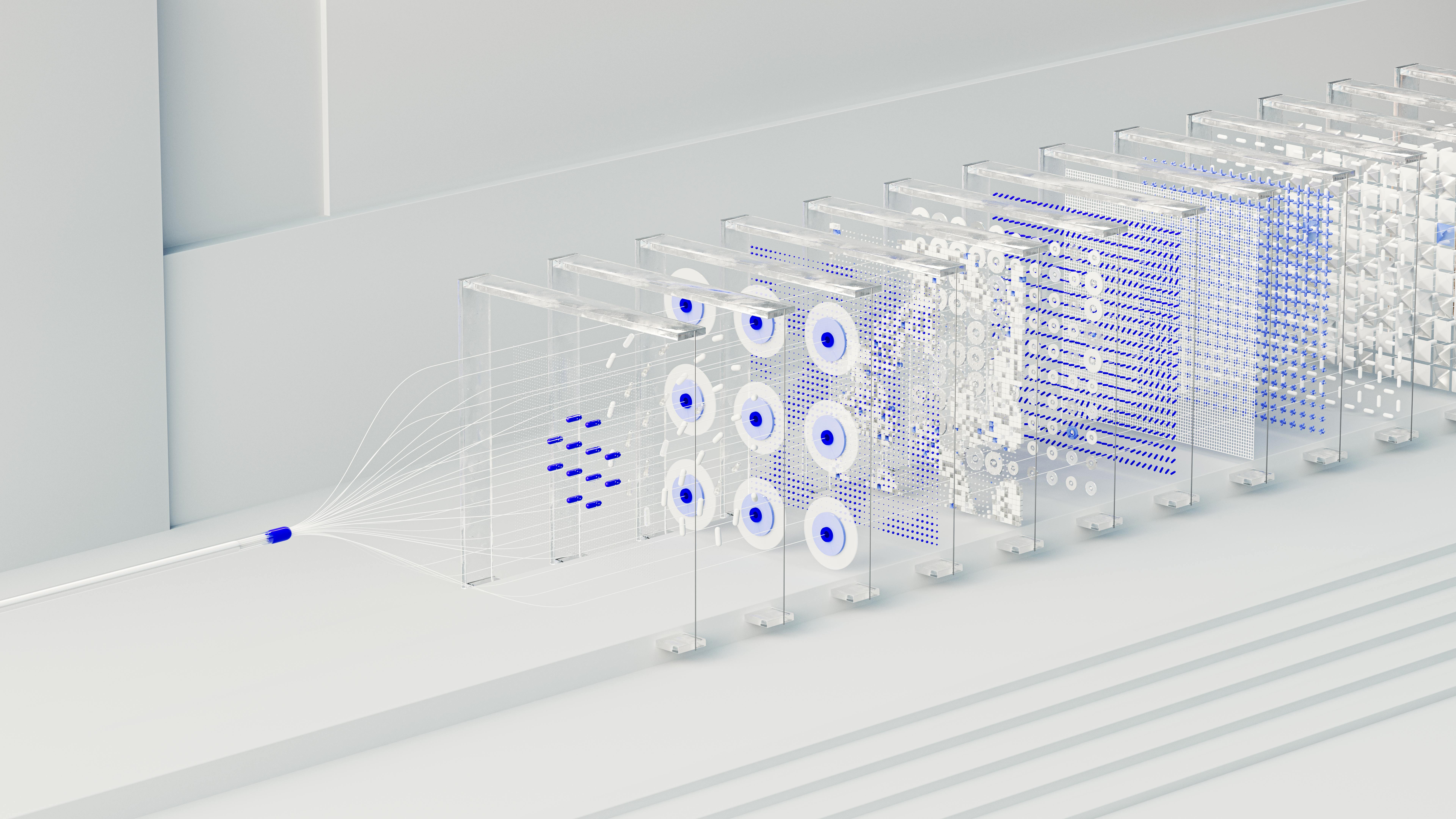
Gen AI and Custom Models in ETL: Unlocking Complex Data Enrichment
Introduction
ETL pipelines traditionally excel at structured transformations: joining tables, aggregating numbers, standardizing formats. But what happens when your data transformation needs include reading handwritten donation forms, categorizing customer feedback, or extracting information from event photos? This is where generative AI and custom-trained models are revolutionizing what's possible in data workflows.
Beyond Traditional ETL
At Honeycomb Studio, we're seeing AI capabilities become essential components of modern data pipelines. Here's why: your data often contains rich information locked in unstructured formats—images, free-text fields, PDFs, handwritten documents. Traditional ETL tools can't extract meaning from these sources, but AI-powered workflows can.
Computer Vision in Data Pipelines
Use Case: Processing Event Photography
Cultural institutions generate thousands of event photos. Computer vision models can automatically:
- Tag attendees and identify VIP guests
- Categorize event types (gala, opening night, educational program)
- Extract text from signage or banners in photos
- Identify brand compliance issues
We integrate these capabilities directly into ETL flows. When new photos land in your cloud storage, the pipeline automatically processes them, extracts metadata, and routes that information to your data warehouse—no manual tagging required.
Use Case: Digitizing Historical Records
Museums often have handwritten donor cards, vintage receipts, or archival documents. Optical Character Recognition (OCR) powered by modern AI models can:
- Extract names, dates, and amounts from cursive handwriting
- Preserve historical transaction records in searchable databases
- Maintain data lineage from original documents
Text Recognition and NLP
Use Case: Customer Feedback Analysis
Your patrons leave feedback in comment cards, online reviews, and social media. Generative AI can:
- Categorize feedback by topic (accessibility, programming, facilities, service)
- Extract sentiment at a granular level
- Identify actionable insights and emerging trends
- Generate summaries for executive reporting
This happens automatically as part of your nightly ETL runs, turning thousands of text snippets into structured insights.
Use Case: Enriching Customer Records
When someone fills out a membership form with "I'm interested in Impressionist art and educational programs for my grandchildren," AI can:
- Extract structured interest tags
- Assign to marketing segments
- Flag for specific program recommendations
- Identify family composition for targeted offers
Custom-Trained Models: When Off-the-Shelf Isn't Enough
While tools like ChatGPT and commercial AI APIs are powerful, we often train custom models for specialized tasks:
Domain-Specific Classification
A custom model trained on your organization's data can categorize transactions, programs, or customer inquiries with higher accuracy than generic models. For example, a model trained on Tessitura transaction codes specific to your organization will outperform a general-purpose classifier.
Data Privacy and Control
For sensitive patron information, running AI models on your own infrastructure ensures:
- No data leaves your environment
- Complete audit trails
- Compliance with privacy regulations
- Customization for your specific workflows
Cost Optimization
For high-volume, repetitive tasks (like categorizing 100,000 monthly transactions), a smaller custom model running on your infrastructure can be more cost-effective than API calls to large language models.
Integrating AI into ETL Workflows
Here's how we architect AI-powered ETL:
- Data ingestion: Bronze layer receives raw data (images, text, documents)
- AI processing: Specialized models extract structured information
- Validation: Apply business rules to AI-generated outputs
- Human-in-the-loop: Flag low-confidence predictions for review
- Gold layer: Enriched, structured data ready for analytics
Real-World Implementation
Example pipeline for a museum client:
- Input: Daily photos from events, handwritten donation cards, customer feedback
- Processing: Computer vision tags photos, OCR extracts donation amounts, NLP categorizes feedback
- Output: Structured metadata in Snowflake, searchable and ready for reporting
- Schedule: Runs automatically each night, processes new data only
The Future is Intelligent ETL
As AI capabilities become more accessible, the line between "data processing" and "intelligence" blurs. Your ETL pipelines can now:
- Understand images and extract visual information
- Read and comprehend unstructured text
- Make intelligent categorizations and predictions
- Enrich data in ways that would require armies of human reviewers
For cultural institutions sitting on vast collections of unstructured data—photos, documents, customer feedback, historical records—AI-powered ETL unlocks value that was previously inaccessible.
Getting Started
Integrating AI into your data workflows doesn't require a complete overhaul. Start with:
- Identify high-value unstructured data: Where could AI extraction save time or unlock insights?
- Pilot with a small use case: Process one month of customer feedback or one event's photos
- Measure impact: Quantify time saved and insights gained
- Scale progressively: Expand successful pilots to more data sources
At Honeycomb Studio, we help organizations navigate this integration—from selecting the right models to building production-ready AI-powered ETL pipelines. The result is data infrastructure that doesn't just move information, but enriches and understands it.
Ready to transform your data operations with intelligent automation? Contact Honeycomb Studio to discuss how we can help modernize your ETL pipelines.
Leave A Comment:

Related Blogs
Launch your campaign and benefit from our expertise on designing and managing conversion centered Tailwind CSS html page.

Organize your data pipelines to be both maintainable and scalable with medallion architecture.

Connect customer records across systems to create a unified profile and improve insights.
Unlock complex data enrichment by integrating generative AI and custom models into your ETL pipelines.
Have Question ? Get in touch!
This is just a simple text made for this unique and awesome template, you can replace it with any text.